

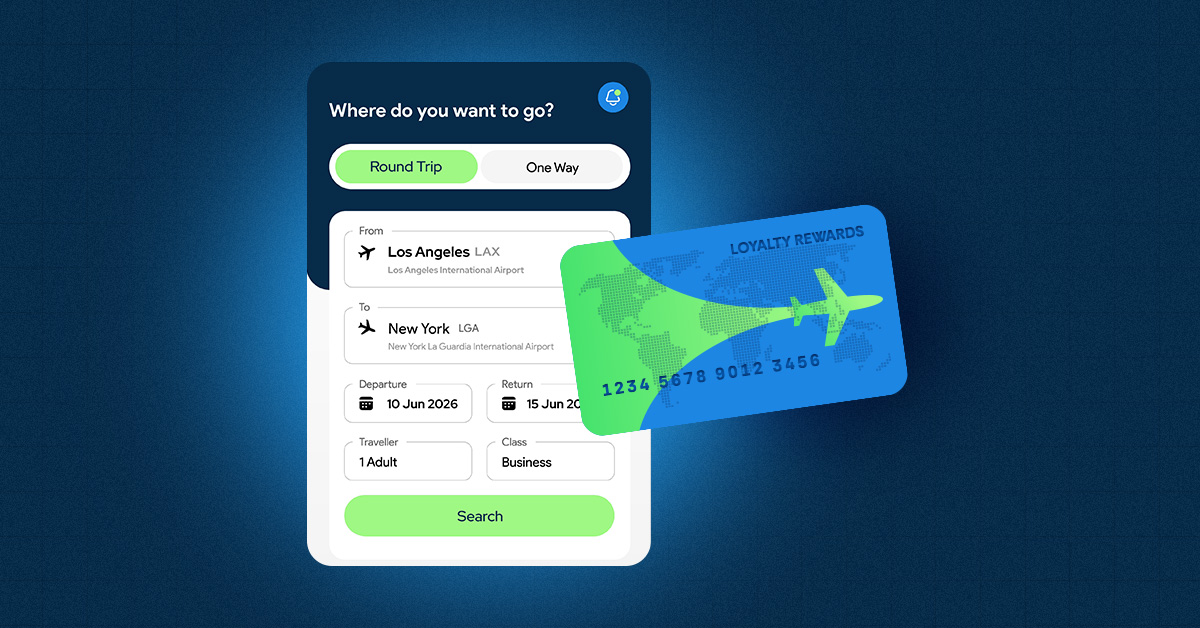
I have flown Southwest for years as a Companion Pass holder with a healthy Rapid Rewards balance, and until recently, I would not have considered another carrier. That assumption has shifted as the airline recently overhauled its passenger experience – introducing assigned seating and new boarding groups while replacing EarlyBird with a paid Priority Boarding tier and ending its two-free-bags policy. Each change on its own sounds reasonable, but together they have hollowed out something specific. The program is still there, while the experience that made the points worth earning is not.
Most loyalty debates miss this entirely. They turn into a debate over the right mode; and while points, tiers, subscriptions, and gamified mechanics can all work, but none of them work in isolation. The experience surrounding the program is what decides whether it builds equity or slowly spends it down.
The points are the floor, not the ceiling
Points and perks are table stakes that create a hook for repeat behavior, but they do not create the emotional reason someone keeps coming back. Southwest is the cautionary tale: the program is technically intact, but the experience that earned its reputation – the simplicity, the predictability, the feeling that the airline was on your side – is being traded for incremental revenue. Even loyal customers are now publicly threatening to switch carriers, and the reaction has been forceful enough to surface real questions about the long-term value of the program.
A great loyalty model sitting on top of a deteriorating experience does not hold customers. It only delays the moment they leave.
Where loyalty actually gets built
Picking the model is the easier decision, since check size, visit frequency, and margin usually tell you whether points, tiers, or a subscription fits best. The harder work happens around the program, in the dozens of decisions that shape what it feels like to be a customer of your brand. A few principles tend to separate the brands that build loyalty over time from the ones that quietly erode it:
- Be consistent before you get clever. Customers cannot trust a brand they cannot count on, and no amount of personalization or gamification will fix an experience that is unpredictable to begin with. Get the basics right, and then earn the right to do more.
- Fix the small frictions before you add new perks. A confusing checkout, a reward that is hard to redeem, or a support handoff that goes nowhere does more damage to loyalty than any new perk can offset. Program changes get the press release, but the friction is what customers actually live with.
- Recognize customers in ways the points balance cannot. A thank-you, a remembered preference, or a problem solved without making the customer ask twice does more for retention than another tier perk. Most of those moments happen outside the program. We have written before about building customer relationships the way you would build any other meaningful one, and about the underrated power of simply telling customers “thank you.” Both ideas hold up because they work whether or not a redemption is involved.
- Tell customers what is changing before they find out the hard way. Be honest with them, give them advance notice, and explain why the change is happening. Changes buried in the fine print read as betrayals, even when the underlying math is right.
- Before you approve the change, ask what it feels like to the customer. A decision can make sense financially and still damage the reason people chose you in the first place. Years of loyalty equity get undone by a string of changes that each look defensible on a P&L, but indefensible from a passenger seat.
The human edge
Customers are spending more of their day interacting with AI assistants, chatbots, automated phone trees, and algorithmic feeds, and that trend is not slowing down. The brands that lean into the technology will be more relevant for it, not less.
But the value equation has changed. As more of the customer experience becomes automated, the moments that still feel personal, helpful, honest, or human carry more weight than they did five years ago. A real apology when something goes wrong, a name remembered by the person on the other end of the line, or an employee empowered to fix a problem instead of escalating it will register more deeply with customers now than at almost any point in the recent past.
These are the moments that earn loyalty in 2026. The path forward is to embrace the technology evolution without turning away from the part of the experience that holds the greatest value.
The point for marketers
If you are picking a loyalty model in 2026, pick the one that fits your economics, but spend just as much time on the experience that program lives inside. The customer is not loyal to your tier structure; they are loyal to how your brand makes them feel. The points are the receipt for that feeling, not the cause of it.
Loyalty programs rarely fail because the earning structure is wrong. They fail because the brand makes too many small decisions that erode the reason to come back. The brands that win the next decade will be the ones willing to protect that experience, even when the spreadsheet says there is short-term margin in chipping away at it.
Ready to build a loyalty program that actually sticks?The best programs don’t just count points – they make customers feel seen. Explore our CRM and Loyalty Services to see our approach to modern, human-centric loyalty.