Email & SMS
Let Your Customers Set the Pace for Emails with Preference Centers
Response Labs
September 30, 2022 · 7 minutes
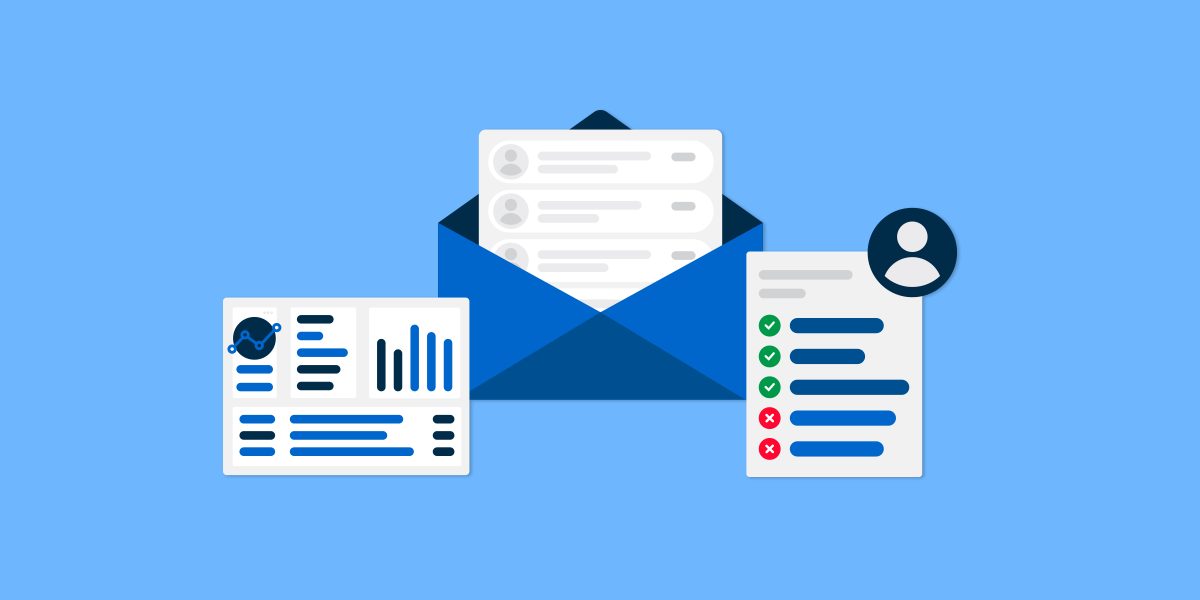
How much easier would life be if people just told you what they want? As great as that might be, we’re still a long way off from that in the real world. In digital marketing, however, we can know exactly what people want from our email communications.
Preference centers can be effective in keeping customers happy and engaged. And if you encourage subscribers to tell you what they want, they will. Let’s explore some best practices in how to use preference centers effectively.
First, What’s a Preference Center?
If you’re new to the concept, a preference center is part of a subscriber’s digital profile that holds topics of interest, how often they want communications, and other particulars. You’ve probably signed up to receive emails and been prompted with a series of questions or settings. Your selections should set the pace, frequency, priority, and content of emails. A preference center also allows subscribers to make adjustments after they’ve signed up—updating an email address, turning on/off push notifications (from a phone app) or text messages (SMS), changing the frequency of communications, selecting (opting in or out of) different types of content, and *gasp* unsubscribing altogether.
For in-the-know email marketing pros, you probably have a preference center. If you’re deep into marketing speak, you’re using terms like “interest models” and “audience segmentation,” and creating a data-driven picture of your subscribers. Good for you. The end goal here is to get to know your customers. The question is, are you using metrics to give them what they want or what you want?
Why Is a Preference Center Important?
People sign up for emails because they want to hear from you. But a lot of email sign-ups leave people uncertain of what they’ll get in their Inbox. With a preference center, you have the upfront opportunity to let subscribers know what to expect and offer them the ability to customize what you send them. Respect their choices. This is the start of a beautiful email relationship.
Everything goes swimmingly. You send emails. Your subscribers read, click, engage, buy,
Then, sometimes, it happens. The relationship fizzles.
Unread emails start piling up. Emails get deleted. And eventually, emails get marked as Junk. Or, the subscriber locates the barely-legible Unsubscribe link you’ve buried in the fine print at the bottom of your email. They’re gone.
But how were you to know they were unhappy?
Ahem, preference centers.
No Marketer Wants to Lose Subscribers.
Like any relationship, the one you (your brand or company) have with subscribers depends on how well it’s maintained. Checking in with your subscribers periodically is a good practice. We recommend being deliberate about this. Send a one-off email (text or push message) or include a call-out in every email that suggests people update their preference settings and profile info. Asking “are you getting what you want from us?” gives you a chance to proactively keep the relationship healthy. A lot of marketers have a hard time with this question because the answer might be “no” or, worse, unsubscribe. 😬
If that gives you agita, you might be thinking: what if they click unsubscribe by mistake (they won’t), or what if they want to resubscribe later (they know where to find you), or how will they find out about the great things we’ll say in the future (you might have to put in some work to get them back)?
Don’t fret. You have a chance to rekindle the relationship. Or, if not, part on good terms. Giving people options allows them to set the terms of the engagement. But definitely don’t limit your subscribers’ options for emails to delete, junk or unsubscribe. Maybe your subscriber would like to curtail their list of interests. Maybe they’d rather only receive push notifications. Maybe you can impress them by asking what you can do to improve your content, or what they’d like to see more or less of. And, yes, maybe they do actually want to stop receiving emails from you. It’s up to you, and your preference center, to give them a reason to stay.
DON’T make opting out difficult or awkward. DO allow people to opt out easily.
When people do unsubscribe, there’s an opportunity to learn more about them, your brand, and your communications. Ask unsubscribers, why they don’t want to get your emails. That should be done with a few checkboxes of likely reasons and an open comments field. Then, thank them for their time, attention and feedback. And say goodbye. Make it quippy, make it polite, make it genuine.
You Can’t SPAM 🚫
We’d be remiss not to mention the CAN-SPAM Act (which we’d like to point out is an oxymoron) set up to prevent unwanted communications. A preference center helps keep you in compliance with the FTC regulations and avoid fines of up to $46K per violation. To underscore the previous paragraphs, the law says you must allow people to opt-out at any time, easily. And you have to tell people why you’re collecting their information and clearly explain how and what it will be used for. But as uncomfortable as that may seem, the benefit is that you’re being transparent in your data collection. Transparency, a.k.a honesty, is good for relationships. Transparency builds trust. Trust builds brands. Trusted brands are successful. ‘Nuff said.
3 Best-In-Class Email Preference Centers
Speaking of trust, we’d like to highlight a few big brands whose preference centers follow best practices. The following three examples demonstrate the variety, versatility and usefulness of features that can be implemented to benefit both subscribers and marketers.
1. ADIDAS

By segmenting users into interest groups, Adidas reaches audiences based on the sports they like. Which should lead to higher engagement and product sales in those categories. The Adidas preference center uses simple icons with clear labels so users can easily identify what type of communications and content they wish to receive.
2. SPOTIFY

Spotify offers a customizable experience for its users. They also ask where subscribers want to be reached for specific communications: email or push. This type of preference center allows subscribers to decide what email content they receive.
3. BARNES & NOBLE

B&N gives their subscribers the ability to set both the type of emails as well as the frequency they’re received. We’d like to add that the copywriting is simple and clear, straightforward but not stiff.
A final note
 Preference centers offer a mutually beneficial relationship with subscribers—they tell you what they want, and you give it to them. They read your emails (texts and push messages) and, in return, you see a boost in engagement, sales, brand recognition and loyalty. Or, not.
Mick Jagger sang it best, “You can’t always get what you want, but if you try sometimes you’ll find, you get what you need.” It’s a loose reference, yes, but the wisdom of those lyrics is quite appropriate for establishing a good email preference center. Brands have to give customers some control over the relationship and give them what they want without expectation. With that approach, odds are, you’ll find more that love you than leave you.❤️
Looking to Launch or Improve Your Preference Center?
Contact our team today to learn how we can help implement preference centers and improve your email marketing! https://www.responselabs.com/contact/
Frequently Asked Questions
- What is an email preference center?
- A preference center is part of a subscriber digital profile where they choose topics of interest, how often they hear from you, which channels they want, and whether to unsubscribe. It is used at sign-up and can be updated at any time afterward.
- Why are preference centers important?
- They set expectations at sign-up and give subscribers real control, instead of leaving delete, junk, and unsubscribe as the only options. That control tends to improve engagement and keeps people on the list longer.
- Do preference centers help with CAN-SPAM compliance?
- Yes. The CAN-SPAM Act requires that people can opt out easily at any time and that you explain what information you collect and how it will be used. A preference center supports both, and violations can carry fines of up to $46K.
- What makes a good email preference center?
- Clear choices about content type and frequency, plain copywriting, options across channels such as email, SMS, and push, and an opt-out that is easy to find. Adidas, Spotify, and Barnes and Noble are strong public examples.
- Should you ask people why they unsubscribe?
- Yes. Offer a short list of likely reasons as checkboxes plus an open comment field, then thank them for their feedback and let them go. What you learn tells you something about your brand and your communications.
- How often should you ask subscribers to update their preferences?
- Check in periodically and be deliberate about it. A one-off email, text, or push message, or a standing call-out in every email inviting people to update their settings, gives you a chance to fix the relationship before it fizzles.